Trivia Crack Retro Quiz
- 4.5
- Rating
- 50.00M
- Installs
- Free
- Price

 Analysis by App-foxy
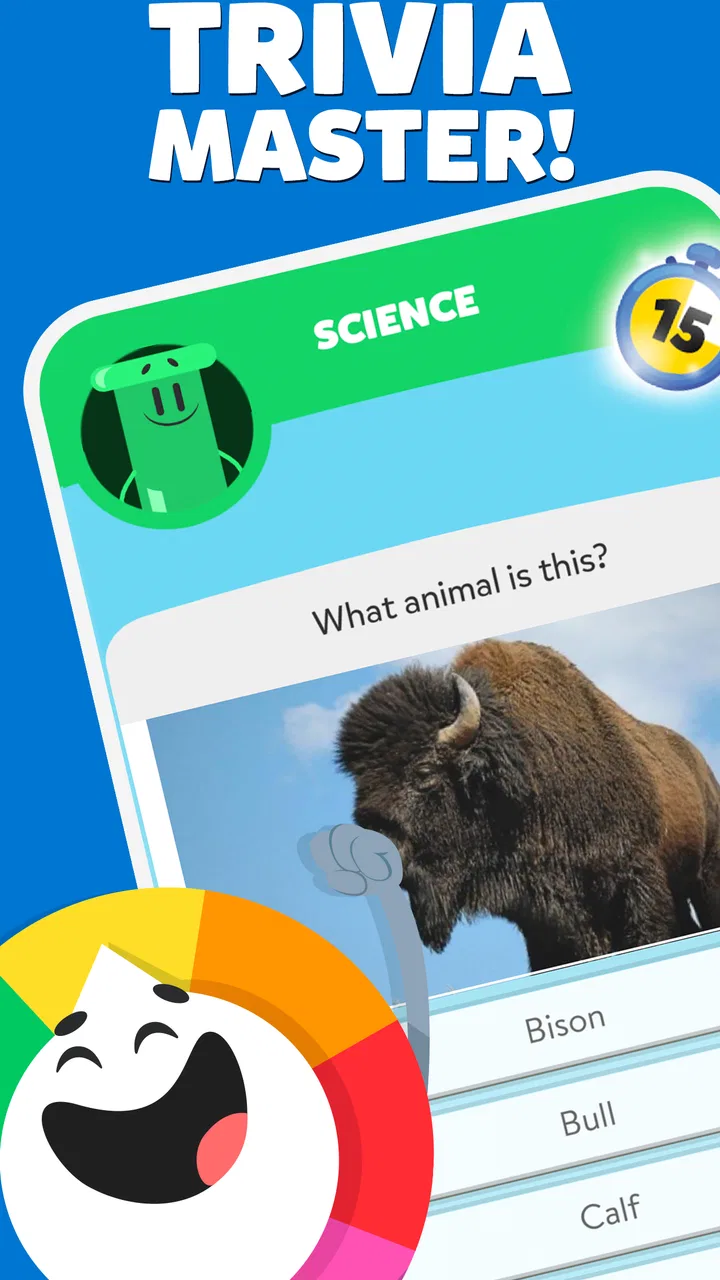
I spent time with Trivia Crack Retro Quiz as a quick, competitive trivia game rather than treating it like a serious study tool. That distinction matters. It is free to start, easy to understand, and built around the familiar pleasure of recognizing an answer before another player does. The questions can make a short break feel surprisingly engaging, while the retro presentation gives the experience a more playful identity than a plain quiz app.
My first impression was that it works best when I use it in small sessions. I can open it when I have a few spare minutes, answer a handful of questions, and leave without needing to prepare a long game. At the same time, the competitive structure gives me a reason to return, especially when I know a category is one of my strengths and want to improve my results.
How the everyday quiz loop feels
The basic workflow is refreshingly direct: start a match, read a question, choose an answer, and continue through the challenge. The game belongs to the trivia category, but it does not feel like a static bank of questions. The appeal comes from the combination of knowledge, speed, uncertainty, and the occasional surprise when a question exposes a gap in something I assumed I knew.
You May Also Like

 AccuWeather: Weather Radar
AccuWeather Review: A Quick, Clear Forecast for Everyday Decisions
For everyday plans, the best forecast is the one you can understand quickly. AccuWeather makes rain timing, radar, and local conditions easy to act on, with a few trade-offs.

 Hill Climb Racing
Why Hill Climb Racing Still Turns Crashes Into One More Run
A tiny car, a bumpy hill and one more upgrade: Hill Climb Racing keeps resurfacing because its simple chaos makes every near-miss feel personal.

 AliExpress - Shopping App
AliExpress Makes Global Shopping Feel Personal, but Shoppers Bear the Risk
AliExpress turns a global marketplace into a pocket-sized discovery engine. Its reach is useful, its shopping loop compelling, and its trade-offs easy to miss.

 Lords Mobile: Kingdom Wars
Lords Mobile Is a Kingdom-Building Routine, Not a Quick Match
A case-by-case verdict on the building, battles, device demands, and social commitments that make Lords Mobile rewarding for some players and exhausting for others.

 PDF Scanner app - TapScanner
TapScanner Makes Paperwork Easier to Capture, Check, and Share
TapScanner makes scanning with a phone feel less like a rescue operation and more like a dependable step in getting work done. Its capture tools are useful, though not flawless.

 Block Blast!
 Shows How Much a Puzzle Game Can Leave Out
A quiet grid game shows why puzzle players increasingly value instant clarity, repeatable skill and low-pressure play—and where the genre still needs to catch up.
More From Our News Desk
View All News


I found it useful to approach each round with two separate goals. The first is simply to answer correctly. The second is to notice which subjects repeatedly slow me down. That small change turns casual play into a lightweight learning habit. Instead of being annoyed by a missed question, I can treat it as a signal to remember the fact or investigate the topic later.
The developer, etermax, gives the game a broad enough identity to suit people who enjoy general knowledge rather than one narrow subject. That variety is important because it prevents the experience from becoming a test of only films, sports, history, or science. A strong player in one area will still encounter questions that require flexibility.
A realistic use case is a commute or a waiting room. I might play one short session while waiting for an appointment, then stop without feeling that I have abandoned a complicated campaign. It also fits a relaxed evening when friends want to challenge one another without setting up a board game. The format is more immediate than a traditional quiz night, although it does not replace the conversation and social atmosphere of playing in the same room.
The game is free, which makes it easy to try before deciding whether it deserves a regular place on a phone. Its content rating is Everyone, so it is positioned as an accessible choice for a broad audience. I would still judge the experience by the interests and reading ability of the people playing, because general trivia can vary considerably in difficulty even when the age label is broad.
What I do before starting a serious session
Experienced use begins with a little discipline. I avoid opening a match when I am distracted, rushing, or likely to tap through the question without reading it. Trivia games punish that habit more than people expect: a familiar word in an answer choice can create false confidence, while a careful second look often reveals what the question is really asking.
I also try not to measure my ability by one lucky or unlucky round. A single session can lean toward subjects I know well or topics where I have weak recall. Looking at repeated patterns across several sessions gives me a more useful picture. If I keep missing questions from the same area, I know that category needs attention rather than blaming the game immediately.
One practical habit is to pause mentally before selecting an answer. I first form my own answer, then compare it with the choices. This reduces the influence of tempting distractors. When I recognize two plausible options, I look for wording, time period, location, or category clues instead of guessing from the longest or most familiar-looking choice.
Settings and habits that are worth checking
I would begin by checking the sound and notification behavior on the device, especially if I plan to play in public or during work breaks. A trivia game does not need to announce every event loudly in a quiet room. Keeping the experience unobtrusive makes it easier to use regularly without disturbing anyone nearby.
It is also worth reviewing the account and purchase areas before spending much time in the game. The app is free, but optional in-app purchases range from $0.99 to $39.99 per item. That spread makes it sensible to understand what a purchase does before confirming it, particularly on a shared device. I prefer treating paid items as optional conveniences, not as part of the basic requirement for enjoying the quiz.
Another useful check is the installed version. The current version is 1.222.0, and the game supports devices running Android 7.0 or later. That gives older compatible phones a chance to run it, although performance can still depend on the device and its available storage. If the game behaves oddly, I would first make sure the app and operating system are in a stable state before assuming the question content is the problem.
I do not recommend changing settings constantly while playing. The best arrangement is the one that keeps questions readable, audio comfortable, and interruptions under control. Once those basics are settled, attention should remain on the question rather than on the interface.
Faster patterns that improve accuracy
The fastest players are not necessarily the people who know every fact. They are often better at separating easy certainty from risky intuition. I use a simple three-step pattern: read the whole question, identify the subject, and eliminate answers that conflict with the wording. This takes little time but prevents many careless mistakes.
When I am unsure, I avoid changing an answer just because another option suddenly feels attractive. I only switch when I can name a concrete reason, such as remembering a different year or noticing that the question asks for a person rather than an event. Unstructured second-guessing usually turns a reasonable first choice into a weaker one.
Another effective habit is keeping a mental list of recurring weak spots. If questions about geography repeatedly cause trouble, I pay closer attention to place names and regional clues in later rounds. If science questions are difficult, I focus on understanding the basic concept behind a missed answer instead of memorizing a single isolated fact. This makes the game more useful over time.
I also recommend playing with a consistent rhythm. Rapid tapping may feel efficient, but it increases errors when the wording is subtle. A calm pace is especially valuable when the answer choices include several related terms. The goal is not merely to finish quickly; it is to reduce avoidable mistakes while preserving enough speed to keep the match exciting.
For group play, I find that explaining an answer after the round adds more value than immediately starting another one. A friend who knows why an answer is correct can make the fact memorable, while a wrong answer becomes a useful discussion point. This is one area where the game can support learning, even though it should not be mistaken for a structured course or revision system.
Where the retro quiz format has limits
The biggest limitation is that trivia quality depends heavily on whether the questions match my interests and knowledge. A general quiz can feel wonderfully varied one day and uneven the next. I may enjoy the challenge of unfamiliar subjects, but someone looking for a carefully organized learning path will probably want a dedicated educational app instead.
The competitive format can also change the mood. It is entertaining when I want pressure and comparison, but less appealing when I am tired or simply want to explore facts at my own pace. A traditional trivia book gives me more control over the speed and lets me stop on an interesting subject. A flashcard app is usually better for deliberate repetition. A live quiz platform may be stronger for a group event where everyone answers at the same time.
Purchases are another point to consider. Because the game is free to start but includes optional items, I would not hand the phone to a child without checking the device’s purchase protections first. The Everyone rating describes the content category, not a promise that every family will prefer the same competitive or spending experience.
I would also avoid calling it a complete brain-training solution. Answering trivia questions can exercise recall and general knowledge, but it does not provide the structured progression, explanations, or curriculum that someone preparing for an exam might need. Its strength is repeatable, low-commitment practice, not formal instruction.
Players who dislike uncertainty may find the broad subject mix frustrating. The game is most enjoyable when I accept that not every question will be in my comfort zone. If I want complete control over topic, difficulty, and study order, another type of app will be a better fit. If I want a quick test that keeps me curious, this format makes more sense.
What the numbers suggest about its appeal
The game has reached over 50 million installs and holds a 4.6 average from around 480 thousand ratings, with roughly 14 thousand written reviews. Those figures suggest that it has found a large audience, but I would not use popularity as proof that every player will enjoy it. Trivia preferences are personal, and the right choice depends on whether I like competitive general-knowledge rounds.
For me, the strongest sign of quality is not the size of the audience but how naturally the game fits into a routine. I can play briefly, notice a subject I need to improve, and return later without a large setup cost. That repeatability is more valuable than a single impressive session.
The release date was October 23, 2018, so this is not a brand-new concept. That is actually part of its appeal: the core idea is familiar, easy to explain, and suitable for sharing with someone who has never played it. The current version shows that the app remains maintained as a living product rather than being treated as an abandoned one.
Who should play and who should skip it
I would recommend it to people who enjoy general trivia, friendly competition, and short mobile sessions. It is particularly suitable for someone who wants a casual way to test recall without committing to a long story, complex controls, or a demanding strategy system. Families and friends may also appreciate how quickly a round can become a conversation.
I would be more cautious about recommending it to someone who wants a quiet, explanation-heavy study tool. The game can reveal what I do not know, but it does not replace a textbook, a language course, or a focused revision planner. Players who dislike repeated competition, optional purchases, or questions outside their preferred subjects should consider a more specialized alternative.
It is also not my first choice for a formal group presentation or a classroom lesson. A teacher needs control over the material and the learning objective. This game is better as an informal warm-up, a break activity, or a way to spark interest in a topic after a question raises curiosity.
My verdict after building a repeatable routine
After using it with a consistent approach, I see Trivia Crack Retro Quiz as a strong casual trivia game rather than a complete learning platform. Its best qualities are immediacy, variety, and the way a short round can create a genuine urge to try again. The retro flavor gives the quiz a distinct personality without making the basic workflow difficult to understand.
My advice is to set up comfortable audio and notification preferences, treat purchases carefully, read questions fully, and keep track of recurring weak categories. Those habits make the experience more rewarding than simply tapping the first familiar answer. They also turn missed questions into useful prompts instead of disposable failures.
I would choose it over a trivia book when I want competition and over a flashcard app when I want surprise. I would choose those alternatives instead when I need control, explanations, or systematic study. That is the honest boundary of the game: it is excellent at making general knowledge playful, but it is not designed to do every job in the trivia and education space.
With that expectation in place, I think it earns a place on the phone of anyone who enjoys testing memory in short bursts. The free entry point makes trying it easy, the Everyone rating keeps its audience broad, and the large community indicates lasting interest. Just play it for what it is: a lively quiz companion that rewards curiosity, careful reading, and the willingness to discover that there is always another subject to learn.
FAQs for Trivia Crack Retro Quiz
01What is Trivia Crack Retro Quiz?
Trivia Crack Retro Quiz is a nostalgic version of the popular trivia game, designed to bring back the charm of classic trivia experiences. It features a wide range of questions across various categories, offering both single-player and multiplayer modes. The app is available on Android and iOS, providing hours of fun and learning.
02How does the game mode work in Trivia Crack Retro Quiz?
Trivia Crack Retro Quiz offers several game modes, including classic trivia, daily challenges, and multiplayer battles. Players answer questions to earn points and advance through levels. Multiplayer mode allows you to compete with friends or random opponents, enhancing the competitive spirit and making the game more engaging.
03Are there any in-app purchases in Trivia Crack Retro Quiz?
Yes, Trivia Crack Retro Quiz includes in-app purchases. These purchases can provide players with additional features such as extra lives, ad-free experiences, or special items to enhance gameplay. While the app is free to download, these optional purchases can improve the overall experience for those interested.
04Is Trivia Crack Retro Quiz suitable for all ages?
Trivia Crack Retro Quiz is designed for a broad audience, making it suitable for players of all ages. The questions are curated to be family-friendly, covering a wide range of topics that cater to both young and adult players. However, parental guidance is recommended for younger children to ensure appropriate gameplay.
05How can I improve my performance in Trivia Crack Retro Quiz?
Improving your performance in Trivia Crack Retro Quiz involves regular practice and familiarizing yourself with a variety of topics. Participating in daily challenges and reviewing past questions can enhance your knowledge base. Additionally, engaging with the community or playing with friends can offer new insights and strategies.
Pros
- Nostalgic design with a retro feel.
- Wide range of trivia categories.
- Multiplayer mode enhances fun.
- Intuitive and easy navigation.
- Regular updates with new questions.
Cons
- In-app ads can be distracting.
- Some questions repeat too often.
- Requires internet connection.
- Limited offline features.
- Occasional lag in loading screens.

Trivia Crack Retro Quiz
Gallery